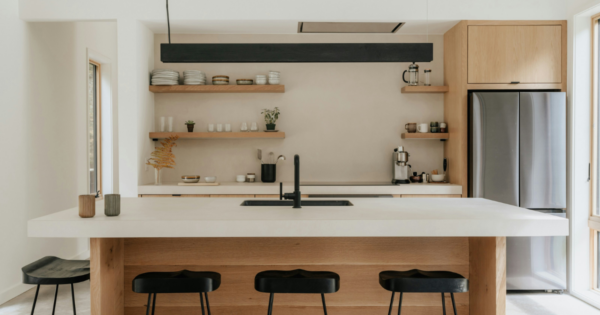
Minimalism is all about removing things that remove you from your life and you need a minimalist mindset to do that well. A minimalist mindset allows you to define what enough means to you and to decide how you really want to spend your time and energy.
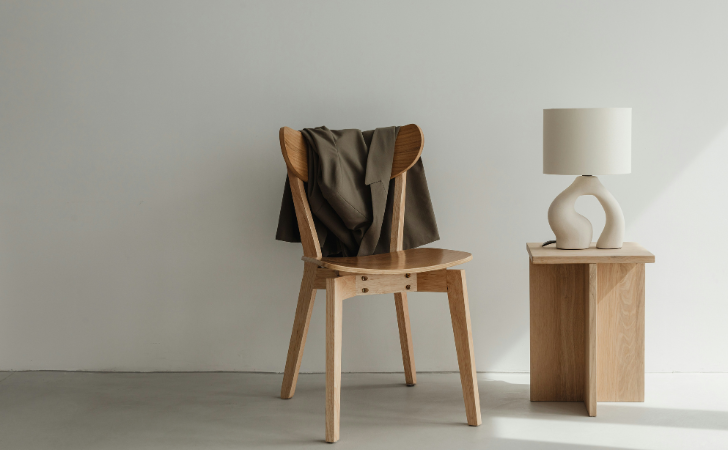
When you think about minimalism, you may also think about simplicity, living a clutter-free life and removing excess from your home. A minimalist mindset encourages a more intentional life. Your minimalism journey may start by decluttering a shelf, your closet or your schedule. Soon though, as you make space around you, it’s natural to get curious about what’s within you.
Living with less crap includes all the things that are cluttering up your home, heart and mind. From actual clutter and stuff to things on your to-do list, and what takes up too much of your time and energy. Being more in tune with your thoughts and reactions will help you create an inner calm and knowing. This is the beginning of a minimalist mindset.
How to Develop a Minimalist Mindset and Live With Less Crap
Because we’ve been conditioned to “do it all” or “find a work life balance” and to prove who we are by what we do and what we own, most of us have ended up carrying way too much. Things get so heavy that it’s not uncommon to experience burnout and other stress related illnesses and conditions.
The good news is that we don’t have to keep running ourselves into the ground to maintain a lifestyle that we don’t even know if we want or how long we can maintain it. By developing a minimalist mindset, you can begin to live with less crap and feel better in your body and your home.
A minimalist mindset invites you to:
- Pause before saying, “yes” to one more thing and say, “no” with ease.
- Stop buying things you don’t need.
- Care a little less about what other people think.
- Prioritize quiet time and regular resets.
- Feel content.
Even though life can be full of distractions, busyness and spent inside our own heads, a minimalist mindset will help you be more present and enjoy life’s little moments.
So much of our lives is spent getting things done, proving ourselves and seeking validation, comparing our lives away and trying to “get there.” We spend so much time and energy and heartache trying to “get there” that we often forget we are here. We are here in this fleeting moment and we never really get to be anywhere else.
My Minimalism Journey
My goal wasn’t to become a minimalist, but instead to eliminate as much stress as possible from my life after being diagnosed with multiple sclerosis. I didn’t even know I was simplifying my life at first but I began to notice that simplicity was at the heart of every change I made.
Even though I didn’t have a clear plan, many of the things I did are the first steps I now recommend to beginner minimalists or to anyone who wants to reduce stress and enjoy a happier, healthier life. A more minimalist mindset and lifestyle can be helpful even if you really don’t want to become a minimalist. As you probably know, what you do with something is much more important than what you call it.
3 Tips to Start a Minimalist Mindset
Let’s start by considering the mindset you have now. Are you at content with your belongings (your stuff)? Do you feel at peace with the pace of your life? Are you often in search of more, or something else to feel satisfied or complete? Are you frustrated that you never have enough time, energy, money or attention? Check in with yourself and ask these questions so you know where you are starting and struggling.
If you want to think like a minimalist, try starting with these 3 tips to develop a minimalist mindset.
1. Practice creating motivation to declutter.
Learn how to create motivation to declutter your stuff or live with less in another way. Practicing will help you tap into the motivation you need more naturally moving forward. Use my 2-step formula to create motivation to declutter.
2. Embrace being a beginner.
Remember what it’s like to learn or start something new. Be curious and open. Consider some of these ideas about becoming a minimalist. If you get frustrated, pause and ask yourself how you might be gentler with yourself. Try a minimalist challenge like the Mins Game or the Project 333 challenge and see what you learn about yourself as you live with less.
3. Prioritize gratitude.
Focus on what makes you smile, what adds value to your life and then express your gratitude. Make a list everyday or say it out loud. Naming what you are grateful for will make a positive difference in your life and help you develop a minimalist mindset. Instead of thinking about all the things you don’t have, or the things you want or need, you can train your mind to think first about what you are grateful for in your life.
We often think that how we become more minimalist is directly correlated to how many things we own and what things look like around us. That’s part of it but the biggest shifts won’t happen around you, they’ll happen within you. You’ll begin to discover that you need less than you think to live a happier life. Because you won’t be juggling as much, you’ll feel more connected to yourself, overreact less and you’ll be able to direct more attention and energy to the things that matter to you. That’s so much more powerful than an organized kitchen.
Living with less crap makes room for you to think about what you really want in your life. A minimalist mindset gives you confidence in knowing that what is right for others might not be best for you. Decluttering your closet, may lead to prioritizing time to check in with yourself. Which may lead to creating a morning or evening routine and committing to fewer obligations. In the end, living with less leads to living with more of the good stuff.