The last thing we need when we declutter things is regret about what we are letting go of or holding on to. The fear of regret can lead to decision fatigue and analysis paralysis. When my husband Logan suggested that we simplify our lives, I opposed the idea at first. I felt scared to make such a big change, and I didn’t think my parents or peers would support the idea.
After a lot of thoughtful conversations, I began to recognize the benefits of simple living. I realized that decluttering my things – and finances – would give me freedom. Also, Logan argued that living simply would bring more joy into our lives (he was correct). When we started to declutter things, I felt excited and nervous. For example, I had concerns, like:
- What if I regret giving away my stuff?
- What if my circumstances change and I need my things?
- What if I miss my belongings?
- What if I need something just in case?
It turns out, my fears weren’t justified. I don’t regret giving away my stuff, and I don’t miss my things. And, all the “just in case” scenarios never came to fruition. As I let go of more and more things, I discovered that owning less actually made me happier. Decluttering things has given me the freedom to:
- spend time with loved ones,
- pursue hobbies,
- savor simple pleasures,
- focus on my values,
- and more.
8 regret-free ways to declutter your things
Below you’ll find 8 strategies that helped me mitigate my decluttering fears with kindness. I hope these ideas help you declutter your things too!
1.) Start small when you declutter things.
Start small, and take your time. Taking tiny steps is being kind to your nervous system. Decluttering isn’t a race. You can begin with a small bookshelf, junk drawer, or one section of your closet. For example, starting small helped me build momentum, confidence, and encouraged me to let go of my fears. These 10 decluttering rules will help too.
2.) Take pictures of your things.
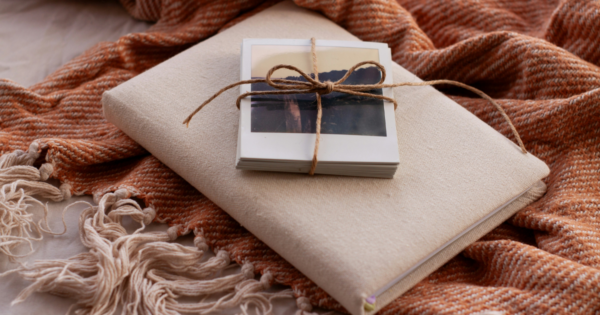
Taking photos of objects helped me – and friends – let go of belongings I no longer use. For example, a friend didn’t want to keep her doll collection, so she took photos of the dolls and gave them to a neighbor with a young daughter that loved the dolls. My friend occasionally looks through her old photos. However, she is happy the dolls have a new home.
Plus, taking photos of your things is an excellent way to document your decluttering progress. It’s fun to look back on before, after, and in-between shots. And, new phone cameras have a feature that allows you to scan photos in a three dimensional space. This is a fun way to capture photos of objects.
3.) Try a 30-day experiment.
In her article – “Living With Less Clutter Can Actually Improve Your Health” – Courtney said, “If letting go makes you feel stressed, be gentle with yourself and hide the things you want to release. You can simply box the things up you are unsure about and hide it for 30-60 days. If you don’t miss it or like me, forget what’s in the box all together, it’s easier to let go.”
For example, I recently put my old journals in a box. Then, I hid the box in my closet. I might shred some of my old notebooks, and I might keep others. First, I want to see if I actually miss my old journals. You can do this with clothing, tools, kitchenware, and more. Hiding your stuff can be a fun experiment when you declutter your things.
You can also try boxing up all of your duplicate items and only using your favorite pen, wooden spoon, or coffee cup for 30 or 60 days. You can turn this into a fun game, too!
4.) Donate books.
Reading is one of my favorite hobbies, so giving up my personal library of books was difficult. I don’t regret giving away my books, though. Over 15 years ago, my husband and I donated the majority of our books to the library. We enjoy sharing books with our community and friends. If I want to reread or reference a book again, I can borrow it from the library. Here are 25 places to donate books.
5.) Try Swedish Death Cleaning.
“While Swedish Death Cleaning may sound like some kind of morbid crime scene cleanup, it’s actually a thoughtful and effective approach to decluttering,” said writer Ashley Knierim. She went on to explain that this method of decluttering and organizing can “lessen the burden of your loved ones after you’ve passed.”
After I die, I don’t want my loved ones sorting through lots of my stuff or clutter. Keeping this in mind helps me let go of things I no longer use. Declutter things so other people don’t have to.
6.) Consider usefulness and sentimentality.
Before I give something away, I consider its usefulness and emotional value. Generally, I give things away that I don’t use regularly. If something holds a lot of sentimental value, I’ll wait for 30 or 60 days before I donate it or keep it.
Interestingly, as I’ve grown older, I’ve become less and less attached to my belongings. I no longer value most objects beyond their utility. What brings me true joy are experiences and spending time with loved ones.
7.) Give your things to people you love
Ask friends and family if they want the things you declutter. When you pass something on, you feel good that your donation is going to someone who wants it.
8.) Practice gratitude
Decluttering helped us create a cozy minimalist home, and I’m grateful for our space. Focusing on gratitude is one way we’ve been able to let go of extra stuff without regret.
Resources
Looking for more inspiration to aid in decluttering things? Explore the resource list below:
- Read the following article by Ashley Knierim – “Swedish Death Cleaning Checklist” or read the book or watch the series.
- Check out Courtney Carver’s books or try a Declutter Hour!
- Decluttering your closet? Do a closet clean out or try Project 333.