5 minute simplicity is possible through tiny steps and consistent action. This leaves plenty of time and space for everyday life. If you are curious about 5 minute simplicity, but don’t have a bunch of extra time to research, try these daily practices and simplify your day in just 5 minutes.

Simplifying your life and/or becoming more minimalist may be a big life change. It can feel overwhelming especially if you have a lot of decluttering in front of you. Finding ways to go slowly, like the 5-minute simplicity practices will allow you to make progress without getting stressed about fast and furious change. You know it’s all about being Gentle around here!
What you’ll discover in this article about 5-minute simplicity:
- The difference between simplicity and minimalism.
- 5-minute simplicity daily practices to help you simplify your day when you don’t have a lot of extra time.
- Resources like books, articles and podcasts to help you live with less and take tiny steps with any change.
The difference between simplicity and minimalism
Before we jump into 5-minute simplicity ideas, you might be wondering what the difference is between simplicity and minimalism. According to Wikipedia …
- Simple living is a minimal, low-consumption way of living sometimes called minimalism.
- Simplicity is the state or quality of being simple.
- Minimalism is any design or style in which the simplest and fewest elements are used to create the maximum effect.
In my opinion, what you call it isn’t nearly as important as what you do with it. The word minimalist can imply that you only live with what you can fit in a backpack or that you are sitting on the floor in a home with white walls and no decor. It doesn’t seem achievable or enjoyable for most and that perception isn’t what most people who have a more minimalist life experience. Minimalists are just like you with less stuff, but when we remove the label and focus on the action, like living with less, or simplifying your life, the idea becomes accessible and intriguing instead of scary, unappealing or intimidating.
When I started this journey of simplifying life, I thought the result would be clean counter tops and more organized drawers. Instead, it resulted in better health, more free time, and a more present and peaceful existent. I sleep better, I like my work so much more, have less to take care of and manage, and have fewer decisions to make. Thanks to minimalism, simplicity or whatever you want to call it, I am clutter-free, debt-free and so much more relaxed and content in my life.
The 5-minute simplicity daily practices
Choose any of the 5-minute simplicity daily practices for your home, your day and your life. Depending on where you are on your simplicity journey, some of the practices may not apply yet. Do what’s best for you and focus on consistency over intensity. Remove the rush and stress you may feel about getting it done quickly or perfectly. You can also simplify any task by asking, “What if I only have 5 minutes? What could I accomplish in less time?” Small progress is still progress.
1. Do a decluttering pass for the easy stuff.
You’ll be surprised at how much you can declutter in just 5 minutes, especially the easy stuff. From duplicates and things you never use to knick knacks you don’t really care about and clothes that don’t fit (your body or your life), you’ll fill the donation bags up quickly. Set a timer and walk around your house with a bag or a box and fill it with the stuff you don’t really care about or use. When it’s time for more decluttering, here are 75 things to declutter and let go of this year.
2. Reflect on why you want to simplify your home and your life.
Make a list of all the reasons you want to live more simply. If you are sick of debt collectors, write it down. Mad that you never get any time with your kids? Write it down. Tired of being tired because anxiety and stress keep you up at night? Add it to the list. Want to fire your boss? Yep, write that down too.
These are your whys and your whys will provide great leverage when you think it’s too hard to keep going. If you don’t enjoy writing, make an audio note on your phone and tune in when you need a reminder of why this is important to you. These 10 tiny steps for the beginner minimalist will help too.
3. Create a clutter-free zone in 5 minutes or less.
This area could be a kitchen table, your nightstand, a corner in your living room or a drawer in your kitchen. Use that clutter-free zone as inspiration to live with less. If you enjoy that clean, clear environment, expand the zone a little bit each day. A clutter-free countertop can become a clutter-free room and a clutter free room can become the clutter-free, minimalist home you’ve been thinking about.
Let the simplicity sanctuary you create be a reminder of what you want to create in other areas of your home and life. If you live with other people, don’t worry about their stuff and personal spaces but do ask them to honor the clutter-free zone you create.
4. Try a 5-minute pause.
This 5-minute simplicity technique invites you to pause for 5 full minutes before doing something that could benefit from some extra thought and intention. Pause before you “add to cart” and before you respond to an email or text message that bothers you. Try pausing before checking things like social media, email or even the weather on your phone. Do you really need to check right now? Pause before you say, “yes” when you want to say “no” and before you decide to do one more thing before going to bed. These pauses will definitely simplify your mind.
5. Create a minimalist uniform.
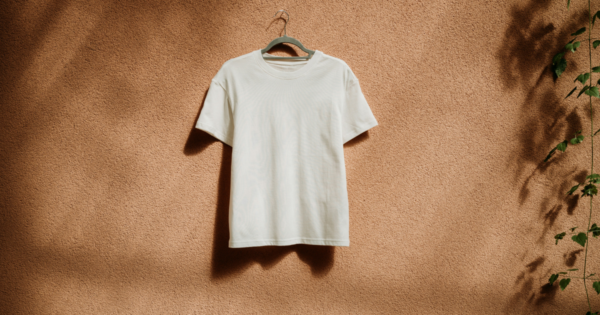
If you don’t have time to simplify your closet or try the Project 333 Challenge. The 5 minute simplicity action for your wardrobe is to create a minimalist uniform. Simply choose the outfit you love the most and likely wear the most. Can you duplicate the outfit or come close with other pieces in your wardrobe. Move all of those items to one side of your closet so you are usually only choosing from a small section of clothes. From a pair of jeans with a t-shirt, blazer and boots to leggings, long sweater and sneakers, give yourself permission to outfit repeat and simplify your decisions around what to wear.
6. Give yourself a bedtime.
Giving yourself a bedtime will take less than 5 minutes! I don’t know about you, but for me there is a big difference in how I feel when I sleep for five or six hours vs. when I sleep for eight hours. I am a different person. Five-hour sleep me is tired, moody, confused and bothered by everything. Eight-hour sleep me is energized, clear-headed, optimistic and grateful. Start to prioritize your sleep by giving yourself a bedtime and then going to bed on time. Sleep well. This is a gift you’ll always appreciate.
7. Make a more & less list.
Before you jump into big change or commit to new habits, soften your approach. Instead of all or nothing, use this 5-minute simplicity practice and make a more/less list. Make a list of what you want more of in your life and what you want less of in your life. These more/less lists will give you the clarity you need to understand and plan your next tiny steps.
8. Reset an area of your home.
Reset your kitchen or your closet or another area of your home. This 5 minute simplicity activity works best after you’ve made a little space by decluttering your home. Do these quick resets to avoid clutter creep and to clean things up before they get to the point where you don’t want to deal with them. Start with a small space, like one countertop or your kitchen sink. Put away things you aren’t using. As you pare down, declutter and embrace simple living, resets will take less and less time. This Sunday Reset will simplify your entire week.
5-minute simplicity resources
If you want to learn more about making big change with tiny steps, check out these resources:
- Gentle: Rest More, Stress Less and Live the Life You Actually Want
- How To Embrace Imperfection
- 12 Tiny Habits That Won’t Wear You Out
- A video about my more/less lists
Expand on your 5-minute simplicity practices when you have more time, energy and interest. Be curious about how simplicity can be applied not only to your stuff and your to-do lists but also to your decision making, relationships and overall wellness.